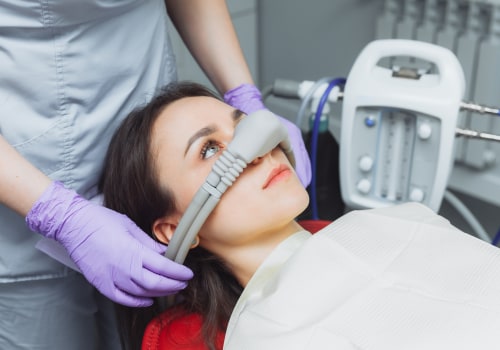
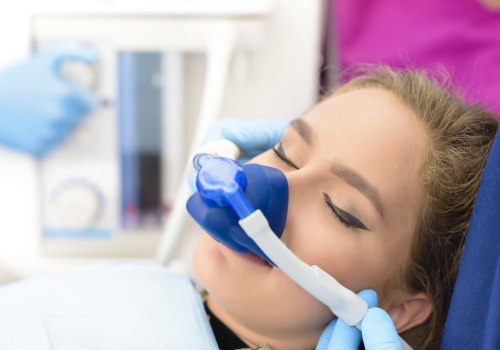
Dental procedures have advanced significantly over the years, allowing dentists to address complex oral health issues with greater precision and efficiency. However, for many patients, the thought of undergoing extensive treatments—such as extractions, implants, or root canals—can still be overwhelming. This is where sedation plays a crucial role. By helping patients remain calm, relaxed, and comfortable, sedation transforms what might otherwise be a stressful experience into a manageable one. It allows individuals to receive the care they need without the anxiety that often prevents them from seeking treatment in the first place.
Reducing Anxiety and Fear
One of the most important benefits of sedation in dentistry is its ability to reduce anxiety. Dental fear is a common issue that affects people of all ages, sometimes leading to delayed or avoided care. Sedation options, ranging from mild oral sedatives to deeper forms of conscious sedation, help patients feel at ease throughout their procedure. This relaxed state not only improves the patient’s experience but also allows the dentist to work more efficiently without interruptions caused by discomfort or nervousness. Practices like Quality Dental of Danbury CT recognize the importance of addressing anxiety as part of comprehensive dental care, ensuring that patients feel supported from start to finish.
Improving Comfort During Lengthy Procedures
Complex dental treatments often require extended periods in the dental chair, which can be physically and mentally taxing for patients. Sedation helps minimize discomfort by allowing patients to remain still and relaxed for longer durations. This is particularly beneficial for procedures that involve multiple steps or intricate work, as it reduces the need for frequent breaks and adjustments. By maintaining a calm and steady environment, sedation contributes to smoother procedures and more precise results, benefiting both the patient and the dental team.
Enhancing Efficiency and Treatment Outcomes
Sedation not only improves patient comfort but also enhances the overall efficiency of dental procedures. When patients are relaxed, dentists can focus on delivering high-quality care without the challenges posed by movement or anxiety. This can lead to shorter treatment times and, in some cases, the ability to complete multiple procedures in a single visit. As a result, patients can achieve their desired outcomes more quickly, reducing the need for repeated appointments and minimizing disruption to their daily lives.
Supporting Patients with Special Needs
Sedation is especially valuable for patients who may have difficulty undergoing dental procedures due to medical conditions, physical limitations, or heightened sensitivity. For individuals with strong gag reflexes, low pain tolerance, or special healthcare needs, sedation provides a way to receive necessary treatment in a safe and controlled manner. It ensures that these patients can access dental care without unnecessary stress or discomfort, promoting better oral health outcomes across a wider population.
A Key Component of Modern Dentistry
As dental technology and techniques continue to evolve, sedation has become an integral part of modern practice. It reflects a shift toward patient-centered care, where comfort and well-being are prioritized alongside clinical excellence. By making complex procedures more accessible and less intimidating, sedation encourages patients to maintain regular dental visits and address issues before they become more serious.
Creating a Positive Dental Experience
Ultimately, the role of sedation in dentistry goes beyond simply easing discomfort—it helps create a positive and reassuring experience for patients. By reducing fear, improving comfort, and supporting efficient treatment, sedation allows individuals to approach dental care with greater confidence. This transformation not only benefits immediate procedures but also fosters long-term trust between patients and their dental providers, ensuring that oral health remains a priority for years to come.